 Backstory Report

Case File 006 · The fuel sum
Type the factor the fueller gave. Watch the tanks.
With 1.77 the tanks held about 10,200 kg of the 22,300 kg needed: the Board's "only half" (pp. 28, 42).
The sum in Case File 006
AirCase File 006: Air Canada 143
The gauges were blank, so the fuel was measured by hand. One factor turned litres into the wrong unit.
C-GAUN in flight at Vancouver, 26 Jun 2007, in its later colours, not the day of the event. Photo: Ken Fielding, CC BY-SA 3.0, cropped, sky extended at the left and below, aircraft and sky animated · Source
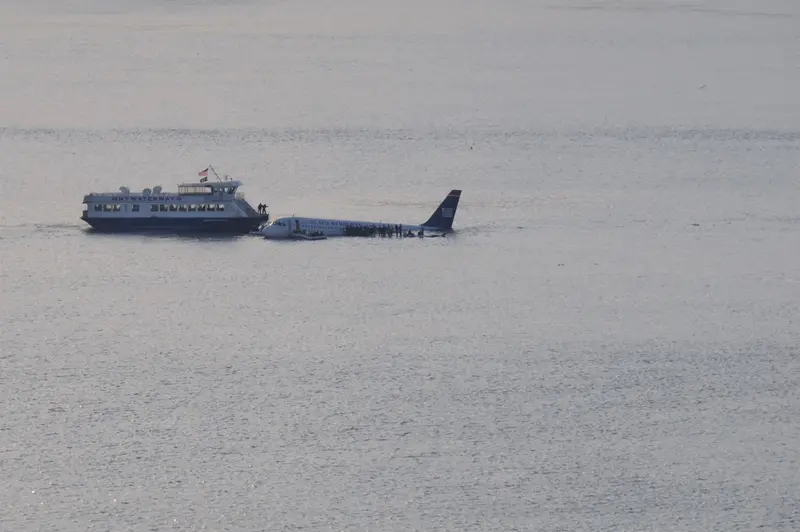
Geese took both engines at 2,818 feet. Three and a half minutes later the crew put the airliner on the river.
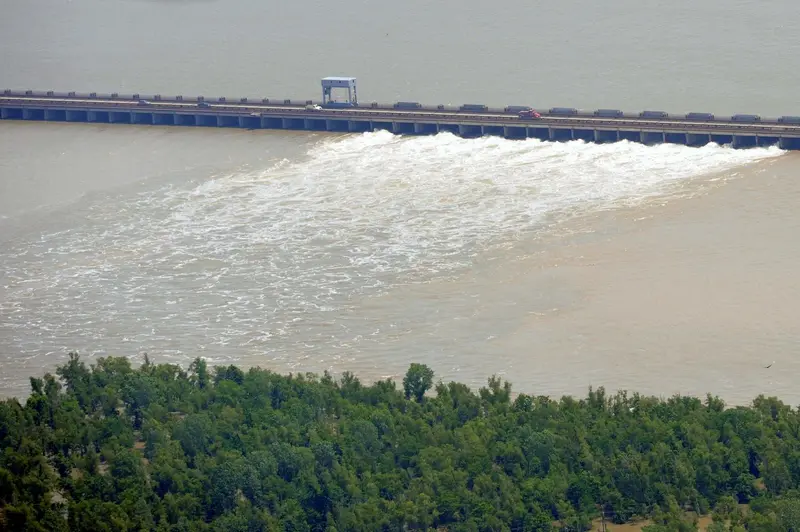
The Atchafalaya offers the Mississippi a route to the Gulf less than half as long. Gates have held it back since 1962.
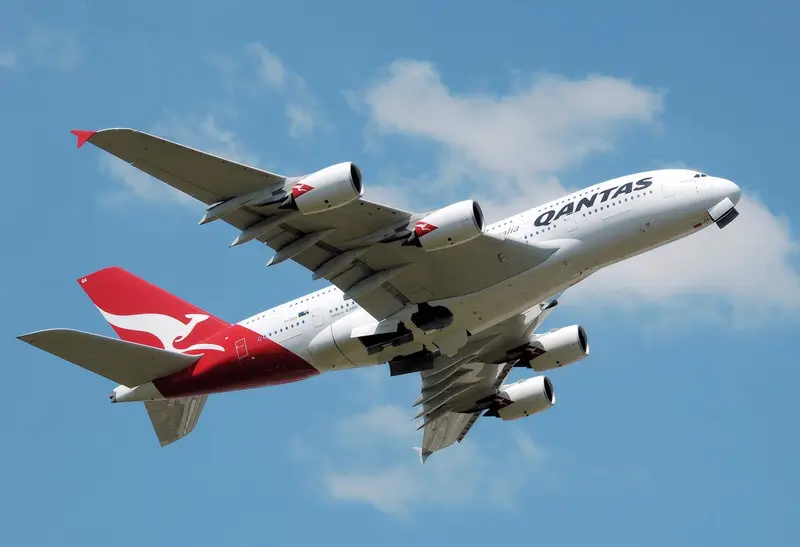
A turbine disc burst over Batam Island. Five pilots flew the damaged A380 back to Singapore.
Climbing out of LaGuardia, flight 1549 struck a flock of Canada geese and both engines lost almost all their thrust. Controllers offered runways at LaGuardia and Teterboro. The captain answered: we're gonna be in the Hudson.

With 1.77 the tanks held about 10,200 kg of the 22,300 kg needed: the Board's "only half" (pp. 28, 42).
The sum in Case File 006Lengths: Corps of Engineers, Old River Control, 2009, p. 5.
Case File 0041612 Beemster dry (43 windmills)
Case File 002“To suggest that the accident was the result of a metric mix-up is simplistic and inaccurate.”
“The National Transportation Safety Board determines that the probable cause of this accident was the ingestion of large birds into each engine, which resulted in an almost total loss of thrust in both engines and the subsequent ditching on the Hudson River.”
“A critical stage is to be expected at some time before 50 per cent of the flow is diverted. Following this critical stage, closure of the Mississippi River below Old River will be rapid and diversion will be uncontrollable.”
“The flight and cabin crew managed the event as a competent team in accordance with standard operating procedures and practices.”
“This should have read that 55 per cent of the Netherlands is at risk of flooding; 26 per cent of the country is below sea level, and 29 per cent is susceptible to river flooding.”
“Think of the paralysis of intellect that gave that idea birth”
Gemini 12 lifts off at 3:46 p.m. Eastern time. It splashes down four days later, on 15 November.
Each air case starts from one closed investigation report, read page by page. Each place case starts from measured public data.
Maps, timelines and diagrams redrawn from that record. Every figure keeps its page.
A film for YouTube, and here the full story in writing, with the pictures, the facts and the sources.
 Case File 006Air Canada 143Cover photograph: C-GAUN at Vancouver, 26 Jun 2007, Ken Fielding, CC BY-SA 3.0, cropped, colour graded, words added · Source
 Case File 005US Airways 1549Cover photograph: flight 1549 on the Hudson, 15 Jan 2009, Greg L, CC BY 2.0, cropped, colour graded, words added · SourceCase File 004Old RiverMorganza spillway open, 20 May 2011, P. Kelley · U.S. Coast Guard via DVIDS, 1102976. US federal government work, public domain · SourceCase File 003Qantas 32VH-OQA, this aircraft, at London Heathrow, 31 May 2009, Adrian Pingstone · Wikimedia Commons, public domain · Source
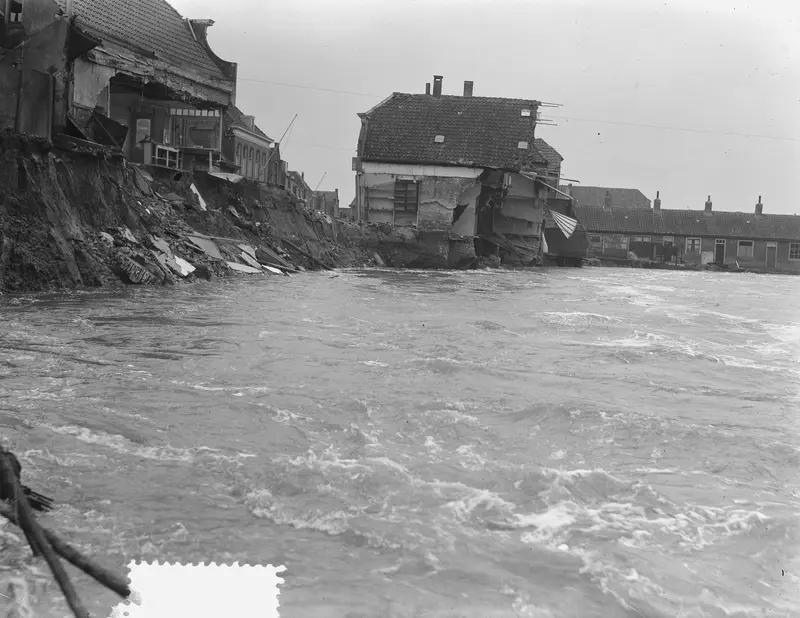 Case File 002Below sea levelNationaal Archief, Anefo 905-5477, G. W. van Duinen, 1953, CC0 · Source
 Case File 001Three gaugesVictorian S301 and NSW 3606 at Albury, about 1930s · National Library of Australia, nla.obj-155066202. Out of Copyright. Reason for copyright status: Created/Published Date is Before 1955 · Source
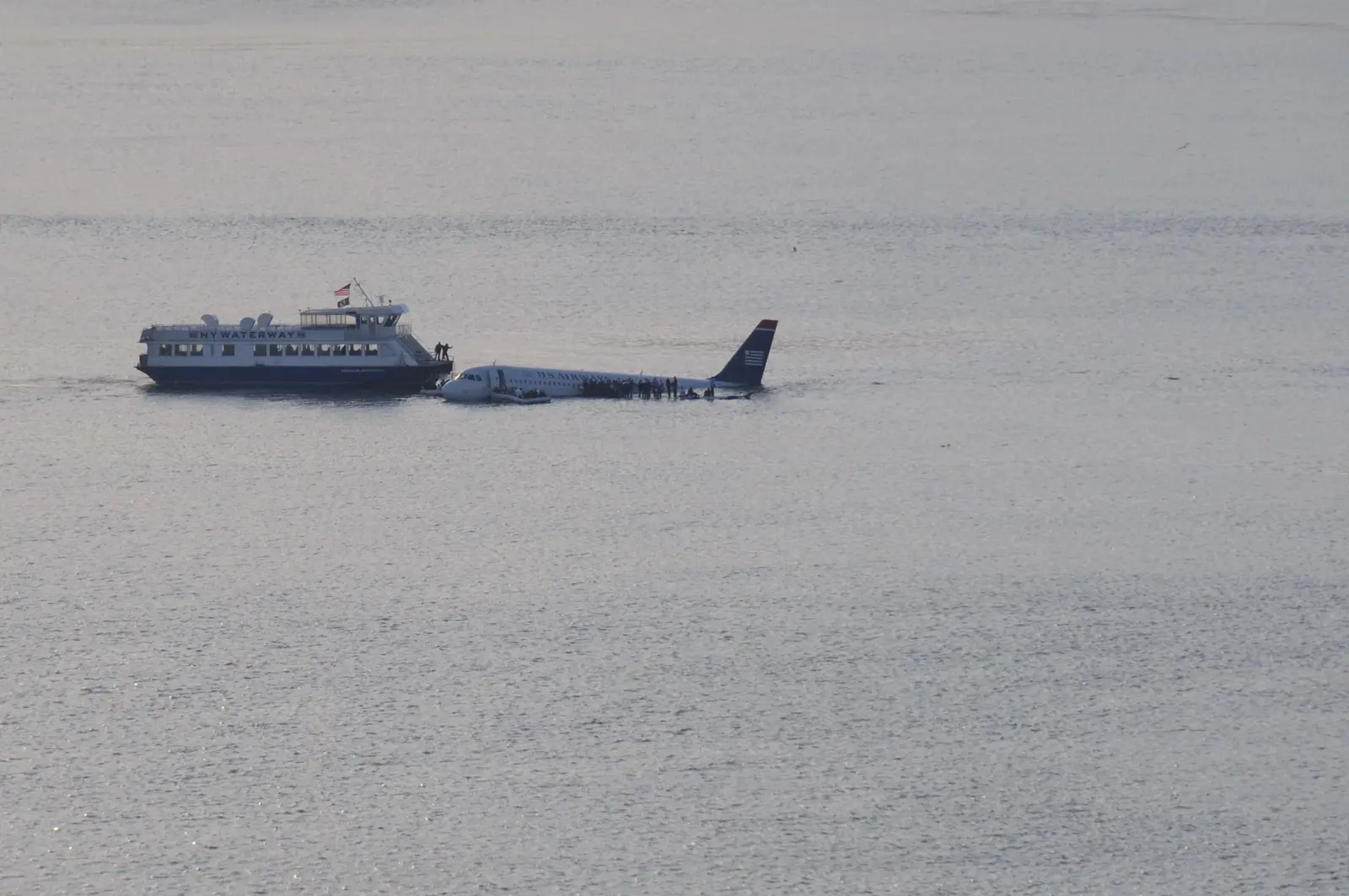
Geese took both engines at 2,818 feet. Three and a half minutes later the crew put the airliner on the river.
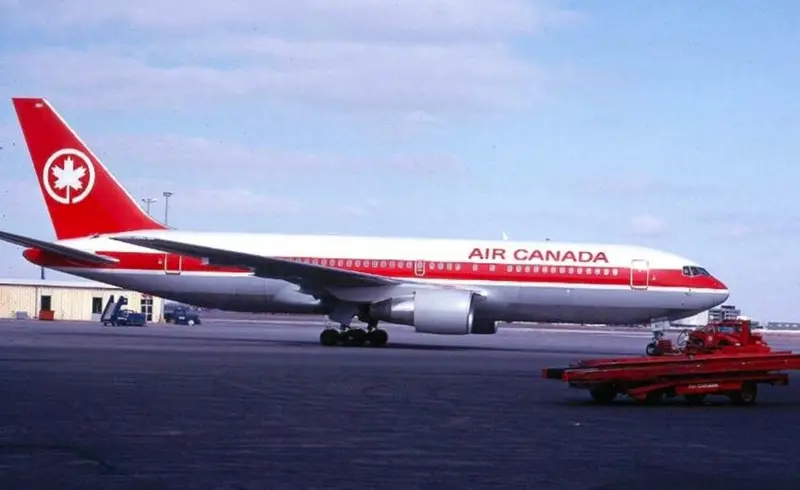
The gauges were blank, so the fuel was measured by hand. One factor turned litres into the wrong unit.
A turbine disc burst over Batam Island. Five pilots flew the damaged A380 back to Singapore.
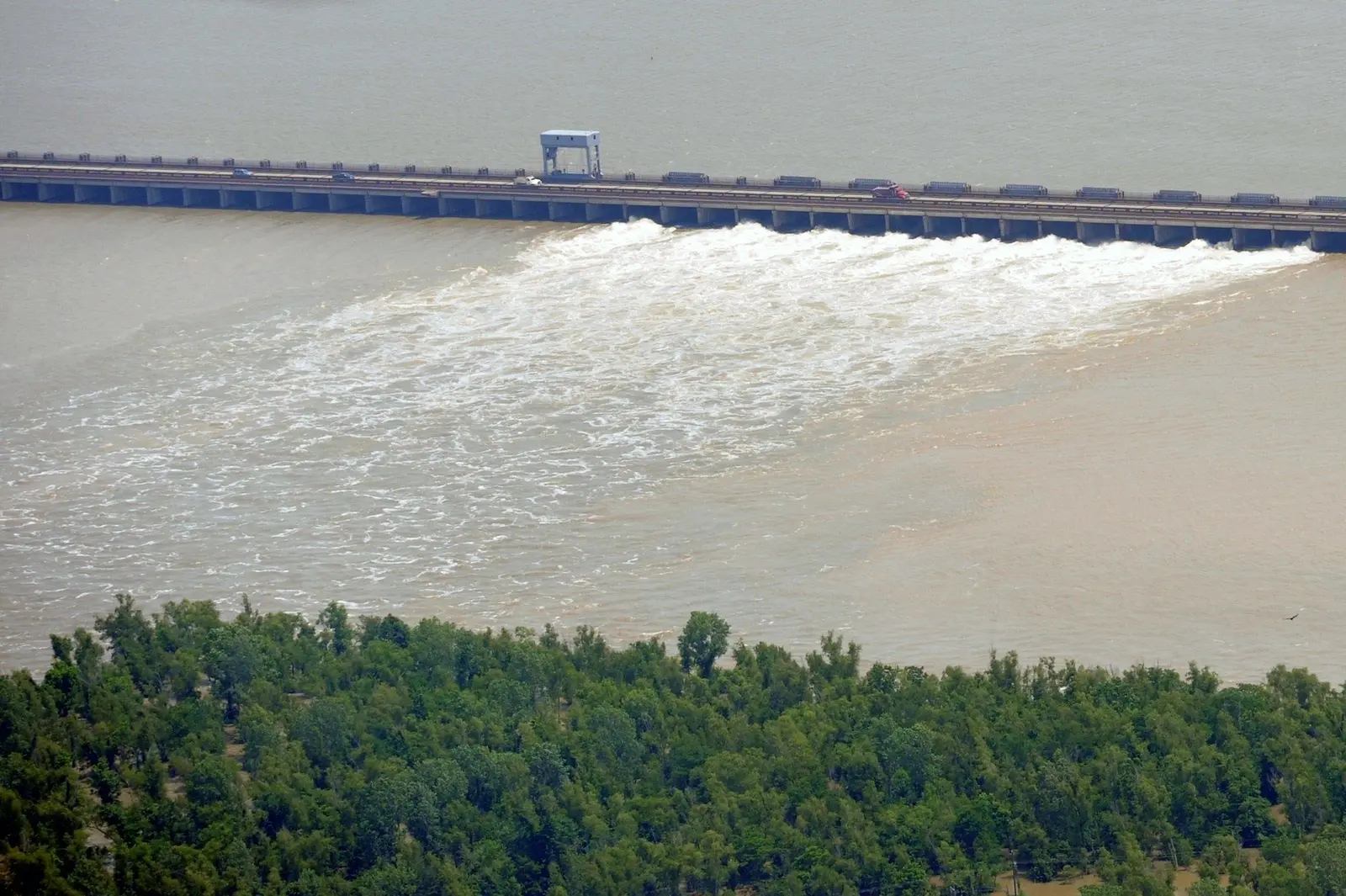
The Atchafalaya offers the Mississippi a route to the Gulf less than half as long. Gates have held it back since 1962.
About a quarter of the country lies below sea level, and much of it sank because people drained it.
Heights from the flight recorder; times from the cockpit voice recorder transcript. Nothing you pick is recorded or counted.
do you want to try to land runway one three?p. 174
we're unable. we may end up in the Hudson.p. 174
its gonna be left traffic for runway three one.p. 175
unable.p. 175
runway four's available if you wanna make left traffic to runway four.p. 176
I'm not sure we can make any runway. uh what's over to our right anything in New Jersey maybe Teterboro?p. 176
turn right two eight zero, you can land runway one at Teterboro.p. 178
we can't do it.p. 179
we're unable. we may end up in the Hudson.p. 174
we're gonna be in the Hudson.p. 179
The crew ditched on the Hudson at 15:30:43, 211.6 seconds after the bird strike. All 155 on board survived (pp. 48, 6).
In simulator runs that turned back at once, 8 of 15 reached a runway, with pilots briefed in advance. A turn back to runway 13 after a 35-second delay, to allow for recognising the problem and deciding, did not succeed (p. 50).
Every option, mapped, in Case File 005New films go up on the Backstory Report channel. Every case is written up here in full, with its pictures and sources.


